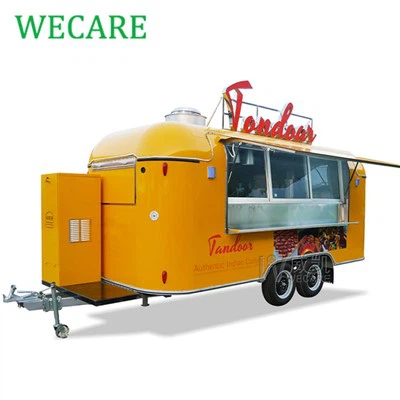
Established in 2010, Henan Wecare Industry co., Ltd is one of the leading professional trailer manufacturers in China, with many years of experience in food trailer development and production. Since 2012, we have been involved in international business. After years of development, our products have been exported to all over the world, such as European countries, Australia, New Zealand, North America, South America, Middle East and Asian countries.
Factory Location
Our factory is located in Jiaozuo city, Henan province, in the central plains of China, and its excellent geographical location offers convenient access to major ports such as Shanghai and Qingdao. Therefore, we can reduce the transport costs and provide our customers with high quality products at competitive prices.
Rich Products
Our product range includes a variety of mobile catering solutions to meet your needs. We offer food trailers, food trucks, camper trailers, mobile bars, food kiosks, and mobile kitchens, among other options. The products adhere to the highest quality standards, meeting ISO9001, CE, and VIN requirements, and are produced under a strict quality control system.
Product Application
Our food trailers are versatile and can be used for a variety of occasions. For example, you can use them to sell fried foods such as burgers and fried chicken, cold drinks like fruit juices, soft drinks, and ice cream, or even hot foods like pizzas. Additionally, our trailers are suitable for special events such as weddings, where they can be used to distribute sweets and drinks to guests.
Leading Service
We have many years of industry experience, a complete production management, quality supervision, and sales service operation system. Whether you want to purchase Food Trailer or Food Truck, just email your requirements and we can customize the product for you.
Related Products

An Airstream Coffee Trailer is defined as a motorless pull vehicle that can store cargo. It can be outfitted for several different functions, including sleeping quarters, storage, and business functions. The business function includes a transportable office, place of business, and food service. Based on the classic Airstream trailer, it combines retro style with modern conveniences and is fully equipped with high-quality coffee machines, grinders, and refrigeration equipment.

An Airstream Ice Cream Trailer is a commercial vehicle that serves as a cold-food specialty food truck or a mobile retail outlet for pre-packaged ice cream, usually during the spring and summer. Airstream Ice Cream Trailers are often seen parked at public events, or near parks, beaches, or other areas where people congregate. Along the sides, a large sliding window acts as a serving hatch, and this often displays pictures of the available products and their prices.

A Food Van Trailer differs from a regular or fridge van as it contains a food preparation and storage area instead of a traditional cargo space, and there will usually be a serving hatch in the side of one on the rear panels. Whereas the main purpose of a van or fridge van is the transportation of goods, the primary use of a Food Van Trailer is to serve these goods directly to customers. Food Van Trailers can be tailored in order to suit a specific business' needs, including the facilities provided. Some businesses will be selling cold goods and so need more display units and chillers whereas others might prepare hot food in the vehicle and need a hob to do so.

An Airstream Mobile Kitchen is a kitchen on wheels. It's a self-contained unit with all the facilities and equipment necessary to prepare, cook, and serve food. This means everything from sinks and prep areas to storage and cooking appliances is all in one place. Airstream Mobile Kitchens offer flexibility in location and are popular for catering events, festivals, and street food markets.

Airstream Pizza Trailers are equipped with conventional pizza ovens, either wood-fired or gas, and all the necessary kitchen equipment for making traditional pizzas. They are perfect for entrepreneurs who aim to offer an authentic pizza experience on the go.

An Airstream Catering Van is a food truck business that provides food to customers. The vehicle is designed to be used for long-term, long-distance runs in which the driver needs to carry large quantities of food and drink. The catering van must be able to adapt quickly and efficiently from one location or market to another with minimal downtime.

A Burger Food Trailer is a type of food trailer that specializes in the sale of burgers. Typically, they offer a wide variety of different burgers, including beef, chicken, and vegetarian options. In addition, Burger Food Trailers often feature a variety of condiments, toppings, and side dishes to customize the burgers according to the customer's preferences. Also, they may serve french fries, onion rings, and other snacks.

An Airstream Bakery, also known as a bakery on wheels, is essentially a custom trailer equipped with baking ovens, refrigeration, workstations, sinks, and other necessary equipment to facilitate on-site baking. These Airstream Bakeries embrace flexibility by operating in various locations throughout the day, providing freshly baked goods to a diverse customer base.

An Airstream Concession Trailer is a mobile kitchen unit that allows food vendors to sell their products from a portable, fully-equipped space. Often referred to as a food trailer or mobile concession stand, this type of trailer is designed to meet health and safety regulations while providing all the necessary equipment for cooking and serving food.

A Large Food Trailer is a trailer or airstream of some kind that's been renovated to be able to prepare and serve food. The main difference from a food truck is that a trailer isn't mobile on its own. It needs to be towed by a car or a truck, or it'll stay parked where it is. A Large Food Trailer is perfect for large-scale food catering, as it still has extra room for storing a large number of supplies, though equipped with various cooking equipment and appliances.
Benefits of a Large Food Trailer
Lower Financial Risk
The initial investment for a Large Food Trailer is significantly lower than for a traditional restaurant. This reduced financial risk allows entrepreneurs to test their concepts and gain valuable experience before considering larger-scale projects.
Creative Freedom
Operating a Large Food Trailer allows culinary entrepreneurs to experiment with unique and creative culinary ideas. It offers the freedom to tailor the menu based on customer preferences, seasonal ingredients, and emerging food trends.
Direct Customer Interaction
Large Food Trailers provide opportunities for customers to interact face-to-face, foster personal relationships, and build customer loyalty. This live interaction enables real-time feedback, allowing you to fine-tune your offerings and create a memorable dining experience.
Brand Development and Expansion
A successful Large Food Trailer business can serve as a launch pad for future growth. Establishing a strong brand and customer base can pave the way for the expansion of your operations, such as opening a physical restaurant or scaling up multiple Food Trailers.
Must-Have Features for a Large Food Trailer
A reliable and powerful generator ensures that your food trailer can operate, even in remote locations or during power outages. It also eliminates the need for finding external power sources, reducing downtime and increasing productivity. This feature is especially crucial for refrigeration units, cooking equipment, and other essential appliances that need consistent power to keep your food fresh and ready for service.
The kitchen should be equipped with all the necessary appliances such as a stove, oven, and refrigerator to ensure that food is cooked and stored. It should also have ample counter space and storage solutions for ingredients and utensils. A well-equipped kitchen not only ensures that food is prepared efficiently but also adds to the professionalism and quality of the food trailer.
A sturdy exterior will ensure that your trailer can withstand various weather conditions and travel long distances without any damage. Additionally, an easy-to-clean exterior will save you time and effort in maintaining the cleanliness and hygiene of your trailer.
From fire suppression systems to emergency exits, these features not only your customers but also your staff and your business. A well-equipped first aid kit maintained cooking equipment. Plus, proper ventilation is also crucial for ensuring a safe environment for food preparation. Additionally, having clear and visible signage for potential allergens or potential hazards is vital for avoiding any accidents.
The serving window acts not only as a direct point of contact between the customer and the food but also as a display for the menu and branding of the trailer. It should be placed for easy access for both the customer and the staff operating inside the trailer. A secure and sturdy serving window also provides a sense of safety and professionalism, which can improve the customer experience.
Branding and signage help to establish a unique identity for the trailer. This makes it stand out among other options at events and gatherings. A catchy logo, vibrant colors, and clear signage can attract potential customers and leave a lasting impression. It also helps to build brand recognition and loyalty, which can translate into repeat business.
Difference Between Large Food Trailers and Food Trucks
The main difference between food trucks and food trailers is their size and the type of unit that they occupy. The compartment itself is sized quite differently. The average food truck kitchen is 7-feet wide, while a food trailer kitchen can be wider at 7-feet or 8.5-feet. The length of your truck is more so what will determine the amount of kitchen space you have to work with. Food trucks can be as short as 10-feet, or as long as 26-feet. Food trailers on the other hand, have a much wider span of sizes, ranging all the way from 8-feet to 53-feet. One advantage of food trucks on the size front is that they'll be able to fit and park in a wider range of venues than a food trailer.
The available space and equipment capacity are significant factors that can influence the menu offerings and overall operations of a mobile food business. Food trucks have limited interior space, which may impact the variety and complexity of the menu. Entrepreneurs must carefully choose their menu items based on the available kitchen space and storage capacity. Simple and streamlined menus are often more practical for food trucks to ensure efficient operations. In contrast, food trailers generally offer more extensive interior space and storage capacity. This allows entrepreneurs to have a more diverse menu with additional food preparation stations. Food trailers can accommodate larger kitchen appliances, such as multiple grills, fryers, and ovens, enabling the preparation of a wider range of dishes.
When it comes to mobility and flexibility, food trucks have the upper hand. Food trucks are self-contained units that can move independently, allowing entrepreneurs to change locations quickly and explore different markets regularly. The ease of driving a food truck also makes it more accessible to maneuver in congested areas and navigate through traffic. On the other hand, food trailers require a separate towing vehicle, which may limit their mobility compared to food trucks. While food trailers can still move to different locations, the process involves hitching and unhitching the trailer, making it more time-consuming than driving a food truck.
The cost of starting a mobile food business is a crucial factor that entrepreneurs must carefully consider. The initial investment for a food truck can be substantial, as it involves purchasing a suitable vehicle and outfitting it with kitchen equipment and branding. The cost varies depending on the size of the truck, the quality of appliances, and any additional customizations. In contrast, food trailers tend to be more budget-friendly when it comes to the initial investment. The cost of a food trailer is typically lower than that of a food truck, as it does not involve buying a vehicle. Entrepreneurs can save on the cost of a dedicated vehicle by using their existing towing vehicle, which can be a truck or an SUV. However, it is essential to note that both food trucks and food trailers come with ongoing expenses, such as fuel, maintenance, permits, and insurance. Entrepreneurs should carefully budget for these costs when planning their mobile food business venture.
Both food trucks and food trailers provide entrepreneurs with opportunities for branding and customization. The exteriors of these mobile setups serve as a canvas for entrepreneurs to showcase their brand identity and create visually appealing designs. Food trucks are known for their eye-catching exteriors, often featuring bold colors, unique graphics, and the menu displayed prominently. The vibrant and attention-grabbing appearance of food trucks helps attract customers and generate curiosity. Food trailers offer even more extensive customization options. With a larger canvas to work with, entrepreneurs can create more elaborate and eye-catching designs that align with their brand image. Additionally, food trailers may have fold-out walls or awnings that allow for creative presentation and additional branding opportunities.
Operating a mobile food business requires complying with various permits, regulations, and licenses mandated by local authorities. Both food trucks and food trailers must adhere to health and safety guidelines to ensure the safety of food preparation and serving. The specific permits and licenses required may vary depending on the location and type of food being served. Entrepreneurs must obtain necessary health permits, business licenses, and food handling certifications to operate legally. Food trucks and food trailers may also be subject to specific regulations regarding parking, operating hours, and zoning restrictions. Entrepreneurs should thoroughly research local regulations and engage with the appropriate government agencies to obtain the necessary permits and ensure compliance with all requirements.
Proper maintenance and upkeep are essential for ensuring the safety and functionality of both food trucks and food trailers. Food trucks require regular maintenance of the vehicle, engine, and kitchen appliances. The interior of the truck should be cleaned and sanitized regularly to meet health and safety standards. Additionally, entrepreneurs should invest in proper storage and equipment organization to optimize the limited interior space of food trucks. Food trailers also require routine maintenance to keep the towing vehicle and trailer in good condition. The kitchen appliances and interior of the trailer must be well-maintained and sanitized to ensure safe food preparation. Entrepreneurs should also be prepared for unexpected maintenance and repair costs that may arise over time. It is essential to have a contingency plan in place to handle any mechanical issues or equipment malfunctions promptly.
Frequently Asked Questions
Hot Tags: large food trailer, China large food trailer manufacturers, suppliers, factory, trailer walls, trailer carpets, trailer ovens, trailer roofs shopping, trailer service centers, trailer faucets