

Opening a coffee kiosk can be an exciting and profitable venture, but it requires careful planning and the right equipment. As a coffee kiosk supplier, I've seen firsthand the importance of having the proper tools to serve high - quality coffee efficiently. In this blog, I'll walk you through the essential equipment needed for a successful coffee kiosk.
Espresso Machine
The heart of any coffee kiosk is the espresso machine. It's responsible for extracting the rich, concentrated coffee that forms the base of many popular coffee drinks like lattes, cappuccinos, and Americanos. When choosing an espresso machine, consider factors such as the number of groups (the spouts from which the espresso is dispensed), the brewing pressure, and the boiler capacity.
Single - group machines are suitable for small kiosks with lower customer volumes. They are more affordable and take up less space. However, if you expect a high - volume of customers, a multi - group machine is a better choice. It allows you to pull multiple shots of espresso simultaneously, reducing waiting times for customers.
Look for machines with a consistent brewing pressure, usually around 9 bars, as this ensures a proper extraction of the coffee grounds. A larger boiler capacity means the machine can produce steam and hot water more quickly, which is crucial for making milk - based drinks. Brands like La Marzocco, Rancilio, and Gaggia are well - known for their high - quality espresso machines.
Coffee Grinder
A good coffee grinder is just as important as the espresso machine. Freshly ground coffee beans make a significant difference in the taste and aroma of your coffee. Burr grinders are the preferred choice for coffee kiosks. They crush the beans between two rotating burrs, producing a consistent grind size.
Consistency in grind size is crucial because it affects the extraction process. If the grind is too fine, the coffee may be over - extracted, resulting in a bitter taste. If it's too coarse, the coffee will be under - extracted and weak. You can adjust the grind size according to the brewing method. For espresso, a finer grind is required, while a coarser grind is suitable for drip coffee. Brands such as Baratza, Mazzer, and Anfim offer reliable burr grinders for commercial use.
Milk Frother
Milk - based coffee drinks are extremely popular, so a high - quality milk frother is a must. There are two main types of milk frothers: steam wands on espresso machines and standalone frothers.
Steam wands on espresso machines are a classic option. They use steam to heat and aerate the milk, creating a creamy foam. With a bit of practice, baristas can create different types of foam, from microfoam for lattes to more aerated foam for cappuccinos. Standalone frothers, on the other hand, are more convenient and easier to use, especially for beginners. They come in electric and manual versions. Electric frothers can heat and froth milk quickly, and some even allow you to control the temperature and foam texture. Brands like Breville and Nespresso offer excellent standalone milk frothers.
Drip Coffee Maker
Not all customers prefer espresso - based drinks. A drip coffee maker is essential for serving regular drip coffee. It's a simple and efficient way to brew large quantities of coffee at once. Look for a drip coffee maker with a large capacity, preferably one that can hold at least 10 - 12 cups.
Some drip coffee makers come with features like adjustable brewing strength, programmable timers, and thermal carafes to keep the coffee hot. Thermal carafes are better than glass carafes because they keep the coffee hot for longer without burning it. Brands such as Bunn, Cuisinart, and Bonavita are well - regarded for their commercial drip coffee makers.
Blender
If you plan to offer blended coffee drinks like frappuccinos or iced coffee shakes, a blender is a necessary piece of equipment. A high - powered blender can quickly blend ice, coffee, milk, and other ingredients into a smooth and creamy beverage.
Look for a blender with a strong motor and sharp blades. Variable speed settings are also useful, as they allow you to control the blending process. You can start at a low speed to break up the ice and then increase the speed to achieve a smooth consistency. Brands like Vitamix and Blendtec are known for their powerful and durable commercial blenders.
Point - of - Sale (POS) System
A modern POS system is essential for managing your coffee kiosk efficiently. It allows you to take orders, process payments, and keep track of sales data. A good POS system should be easy to use, with a user - friendly interface.
It should also be able to handle different payment methods, including cash, credit cards, and mobile payments. Some POS systems come with additional features like inventory management, employee scheduling, and customer loyalty programs. With inventory management, you can keep track of your coffee beans, milk, cups, and other supplies, ensuring that you never run out of stock. Brands such as Square, Toast, and Lightspeed offer reliable POS systems for small businesses.
Display Cases
Display cases are important for showcasing your pastries, cookies, and other food items. They not only make your products look appealing but also keep them fresh and protected. There are two main types of display cases: refrigerated and non - refrigerated.
Refrigerated display cases are suitable for storing perishable items like cakes and sandwiches. They keep the food at a safe temperature, preventing spoilage. Non - refrigerated display cases are used for items like cookies and muffins. Look for display cases with good lighting to highlight your products and a clear glass front for easy visibility.
Cups, Lids, and Utensils
You'll need a steady supply of cups, lids, and utensils. Choose high - quality, eco - friendly cups that can keep the coffee hot without leaking. Different sizes of cups are necessary to accommodate different drink sizes. Lids should fit securely on the cups to prevent spills.
Utensils such as straws, stirrers, and spoons are also essential. You can choose disposable or reusable utensils depending on your business model. Disposable utensils are more convenient, but reusable ones are more environmentally friendly.
Cleaning Equipment
Maintaining a clean and hygienic coffee kiosk is crucial for the health and safety of your customers. You'll need a variety of cleaning equipment, including a commercial dishwasher, cleaning brushes, and sanitizing solutions.
A commercial dishwasher can quickly and efficiently clean your cups, mugs, and utensils. It uses high - pressure water and detergent to remove dirt and stains. Cleaning brushes are used to clean hard - to - reach areas, such as the espresso machine group heads and the milk frothers. Sanitizing solutions are used to disinfect surfaces and equipment to prevent the growth of bacteria and other pathogens.
Furniture and Fixtures
Finally, you'll need some furniture and fixtures for your coffee kiosk. This includes tables, chairs, counters, and shelves. The furniture should be comfortable and durable, able to withstand daily use.
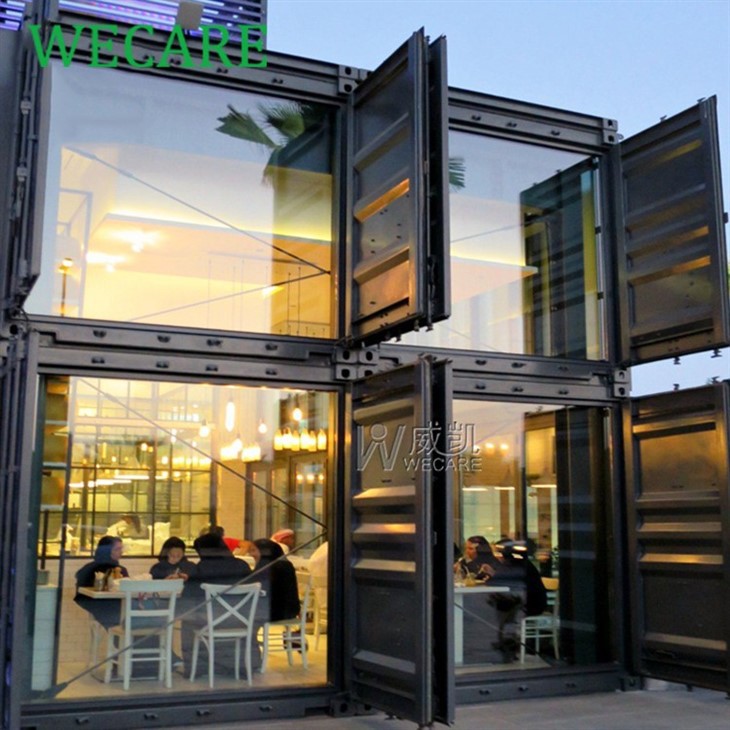
Counters are important for preparing drinks and taking orders. They should be made of a non - porous material that is easy to clean. Shelves are used to store your coffee beans, supplies, and equipment. You can also consider adding some decorative elements to create a warm and inviting atmosphere. For a unique and mobile coffee kiosk solution, you can check out the Container Shop Kiosk.

In conclusion, setting up a coffee kiosk requires a significant investment in equipment, but it's essential for providing high - quality coffee and excellent customer service. By choosing the right equipment, you can ensure the success of your coffee kiosk. If you're interested in purchasing any of the equipment mentioned in this blog or have questions about setting up your coffee kiosk, feel free to reach out to us for a consultation and procurement discussion. We're here to help you every step of the way.
References
- "The Coffee Roaster's Companion" by Scott Rao
- "Espresso Extraction: Measurement and Mastery" by Christopher Hendon
- Industry reports from the Specialty Coffee Association