

Starting a coffee kiosk can be an exciting venture, but it's not without its fair share of challenges. As a coffee kiosk supplier, I've seen firsthand the hurdles that entrepreneurs face when diving into this business. In this blog post, I'll break down some of the most common startup challenges for a coffee kiosk and offer some insights on how to overcome them.
Location, Location, Location
One of the most critical factors for the success of a coffee kiosk is its location. Finding the right spot can make or break your business. You need a location with high foot traffic, where people are likely to stop for a quick cup of coffee. This could be near office buildings, shopping centers, universities, or busy street corners.
However, prime locations often come with a hefty price tag. Rent can be a significant expense, especially in popular areas. You'll need to do your research and negotiate the best deal possible. Sometimes, you might have to compromise on the ideal location to stay within your budget.
Another aspect to consider is competition. If there are already several coffee shops or kiosks in the area, it can be challenging to stand out. You'll need to find a unique selling point, such as offering specialty coffee blends, a cozy atmosphere, or excellent customer service.
Equipment and Supplies
Setting up a coffee kiosk requires a significant investment in equipment and supplies. You'll need a high - quality espresso machine, grinder, coffee maker, refrigeration units, and other essentials. These items can be quite expensive, especially if you're looking for top - of - the - line models.

When choosing equipment, it's essential to consider durability, performance, and ease of use. You don't want to end up with a machine that breaks down frequently or is difficult to operate. It's also a good idea to buy from a reputable supplier who can provide after - sales support and maintenance services.
In addition to equipment, you'll need a steady supply of coffee beans, milk, syrups, cups, lids, and other consumables. Finding reliable suppliers who can offer good quality products at a reasonable price is crucial. You'll also need to manage your inventory carefully to avoid running out of stock or overstocking.
Permits and Regulations
Starting a coffee kiosk involves dealing with a variety of permits and regulations. You'll need to obtain a business license, health permit, food service permit, and possibly other permits depending on your location. The process can be time - consuming and complicated, and you'll need to make sure you comply with all the local laws and regulations.
For example, health departments often have strict rules regarding food safety, sanitation, and storage. You'll need to ensure that your kiosk meets these standards, which may involve regular inspections. Failure to comply with the regulations can result in fines or even the closure of your business.
Staffing
Finding and training the right staff is another challenge for coffee kiosk startups. Your employees will be the face of your business, and they need to have a passion for coffee and excellent customer service skills. Hiring experienced baristas can be difficult, especially in areas where there is high demand for coffee professionals.
Training is also essential. You'll need to teach your staff how to make high - quality coffee, operate the equipment, and handle customer transactions. Ongoing training can help keep your staff up - to - date with the latest coffee trends and techniques.
Marketing and Branding
In a competitive market, it's crucial to have a strong marketing and branding strategy. You need to create a unique brand identity that stands out from the competition. This includes designing a memorable logo, choosing a catchy name, and developing a consistent brand image across all your marketing materials.
Social media can be a powerful tool for promoting your coffee kiosk. You can use platforms like Instagram, Facebook, and Twitter to share photos of your coffee, engage with your customers, and run promotions. Offering loyalty programs, discounts, and free samples can also help attract new customers and keep them coming back.
Financial Management
Managing your finances is one of the most challenging aspects of starting a coffee kiosk. You'll need to create a detailed business plan that includes projected income and expenses. This will help you determine how much capital you need to start your business and how long it will take to become profitable.
You'll also need to keep a close eye on your cash flow. Make sure you have enough money to cover your operating expenses, such as rent, utilities, and inventory. It's a good idea to set aside some money for unexpected expenses or emergencies.
Space Constraints
Coffee kiosks are typically small in size, which can present some challenges. You'll need to make the most of the limited space available. This means carefully planning the layout of your kiosk to ensure efficient workflow. You'll need to have enough room for your equipment, storage, and a small area for customers to order and pick up their coffee.
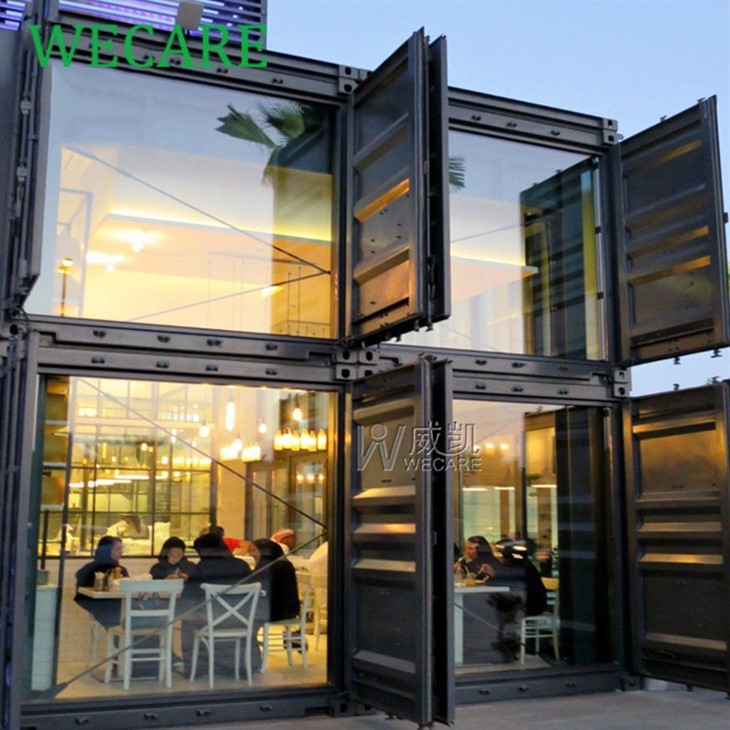
One solution to space constraints is to consider a Container Shop Kiosk. These kiosks are designed to be compact yet functional, offering a great option for those with limited space. They can be customized to fit your specific needs and can be easily transported if you need to change locations.
Seasonal Fluctuations
Coffee sales can be affected by seasonal fluctuations. For example, during the summer months, people may be more likely to order iced coffee, while in the winter, hot coffee is more popular. You'll need to adjust your menu and inventory accordingly to meet the changing demands of your customers.
Seasonal fluctuations can also impact your foot traffic. For instance, if your kiosk is located near a university, you may experience a significant drop in sales during the summer break. You'll need to come up with strategies to attract customers during these slow periods, such as offering special summer promotions or partnering with local events.
Conclusion
Starting a coffee kiosk is an exciting but challenging endeavor. From finding the right location to managing your finances, there are many factors to consider. However, with careful planning, hard work, and a passion for coffee, you can overcome these challenges and build a successful business.
If you're considering starting a coffee kiosk and need help with equipment, supplies, or advice on overcoming these challenges, I'm here to assist you. Contact me for a free consultation and let's discuss how we can work together to make your coffee kiosk dream a reality.
References
- "The Coffee Shop Owner's Handbook" by Robert W. Wemischner
- "Entrepreneur Magazine" articles on small business startups
- Local government websites for permit and regulation information