

A coffee kiosk in a food court can be a lucrative business venture, offering a convenient caffeine fix to shoppers and diners. As a coffee kiosk supplier, I understand the importance of meeting the specific requirements and expectations of a food court environment. In this blog post, I'll share insights into what makes a successful coffee kiosk in a food court and the key requirements that must be considered.
Location and Space
The first consideration for a coffee kiosk in a food court is the location. A high - traffic area is essential for attracting customers. Look for spots near entrances, exits, or popular dining areas. The visibility of the kiosk plays a crucial role in its success. Customers should be able to easily spot the kiosk as they walk through the food court.
In terms of space, the size of the kiosk will depend on the menu offerings and the expected volume of customers. A basic coffee kiosk can operate in a relatively small space, perhaps as little as 50 - 100 square feet. However, if you plan to offer a wider range of products, such as pastries or light meals, a larger space may be required. The layout of the kiosk should be efficient, with clear areas for brewing coffee, taking orders, and storing supplies. It's important to ensure that there is enough room for employees to move freely and perform their tasks without congestion.
Menu and Product Quality
The menu of a coffee kiosk in a food court should be tailored to the preferences of the target customers. While classic coffee options like espresso, cappuccino, and latte are always popular, it's also a good idea to offer some seasonal or specialty drinks. For example, during the holiday season, spiced lattes or eggnog - flavored beverages can attract more customers.
In addition to coffee, consider offering complementary products such as pastries, muffins, or sandwiches. These items can increase the average transaction value per customer. However, it's important to maintain a balance and not over - complicate the menu. A simpler menu allows for faster service, which is crucial in a food court setting where customers are often in a hurry.
Product quality is non - negotiable. Use high - quality coffee beans and fresh ingredients. Train your baristas to prepare coffee to the highest standards. Consistency in taste and quality is key to building a loyal customer base. Customers should know that they can expect a great cup of coffee every time they visit your kiosk.
Equipment and Supplies
Investing in the right equipment is essential for a successful coffee kiosk. A commercial espresso machine is a must - have. Look for a machine that can handle a high volume of orders and produce high - quality espresso shots. You'll also need a grinder to ensure that the coffee beans are freshly ground for each cup.
Other equipment includes coffee brewers for drip coffee, blenders for iced drinks, and refrigeration units for storing milk and other perishables. Don't forget about the smallwares, such as cups, lids, straws, and stirrers. These items may seem insignificant, but they can have a big impact on the customer experience.
When it comes to supplies, establish relationships with reliable suppliers. Ensure a steady supply of coffee beans, milk, syrups, and other ingredients. Keep track of inventory levels to avoid running out of popular items.
Staffing and Training
Your staff is the face of your coffee kiosk. Hire friendly, efficient, and knowledgeable employees. They should have a passion for coffee and be able to provide excellent customer service. In a food court, where customers are often in a rush, quick and accurate order - taking is crucial.
Provide comprehensive training to your staff. They should be trained on how to operate the equipment, prepare different types of coffee and food items, and handle customer inquiries and complaints. Training on customer service skills is also important. Encourage your staff to engage with customers, make recommendations, and create a positive atmosphere at the kiosk.
Branding and Ambiance
In a food court filled with various vendors, it's important to stand out. Develop a strong brand identity for your coffee kiosk. This includes a unique logo, color scheme, and signage. The signage should be visible from a distance and clearly communicate what your kiosk offers.
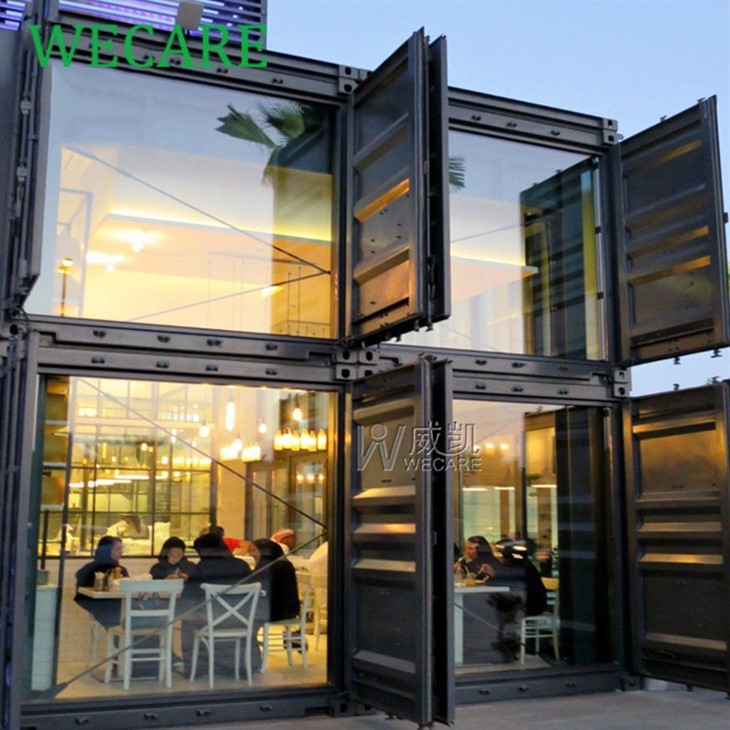
The ambiance of the kiosk can also enhance the customer experience. Consider using comfortable seating if space allows, or at least create a cozy and inviting area. Play some soft background music to create a pleasant atmosphere. The overall look and feel of the kiosk should be clean, modern, and appealing. You can find some inspiration for kiosk design at Container Shop Kiosk.
Regulatory and Health Requirements
Complying with local regulations and health requirements is essential for operating a coffee kiosk in a food court. Obtain all the necessary permits and licenses, such as a food service permit, health department approval, and business license.

Maintain high standards of cleanliness and hygiene. Regularly clean and sanitize all equipment, surfaces, and utensils. Follow proper food handling and storage procedures to prevent foodborne illnesses. Train your staff on food safety practices and ensure that they adhere to them at all times.
Marketing and Promotion
Even in a high - traffic food court, you still need to market your coffee kiosk. Offer promotions and discounts to attract new customers. For example, you could have a "buy one, get one free" deal on certain days of the week or a loyalty program where customers earn points for every purchase and can redeem them for free drinks or food items.
Use social media to promote your kiosk. Share photos of your coffee and food items, customer testimonials, and upcoming promotions. Engage with your followers and encourage them to visit your kiosk. You can also collaborate with other vendors in the food court for cross - promotion.
Customer Feedback and Adaptability
Listen to your customers' feedback. Encourage them to leave reviews, either on your social media pages or in a comment box at the kiosk. Use this feedback to improve your products, services, and overall customer experience.
The food court environment is constantly evolving, and customer preferences can change. Be adaptable and willing to make adjustments to your menu, operations, or marketing strategies as needed. Stay ahead of the trends in the coffee industry and incorporate new ideas into your business.
Conclusion
Opening a coffee kiosk in a food court can be a rewarding business opportunity, but it requires careful planning and attention to detail. From location and menu to equipment and staffing, every aspect of the business needs to be considered. By meeting the requirements outlined in this blog post, you can increase your chances of success and build a thriving coffee kiosk in the food court.
If you're interested in starting a coffee kiosk in a food court and are looking for a reliable supplier, I'd love to have a conversation with you. Contact me to discuss your specific needs and how we can work together to make your coffee kiosk a success.
References
- Levine, S. (2018). The Coffee Shop Startup Handbook. Entrepreneur Press.
- Smith, J. (2020). Food Court Business Strategies. Hospitality Journal Press.