

Hey there! I'm a supplier of catering food trailers, and I know that running a mobile food business can be quite the adventure, especially when it comes to keeping costs in check. In this blog, I'm gonna share some cost - saving measures that can help you make the most of your catering food trailer business.
1. Smart Trailer Selection
First things first, choosing the right trailer is crucial. You don't want to overspend on a trailer that has more features than you actually need.
Take a look at the Empty Food Trailer. It's a great option if you're on a tight budget. An empty trailer gives you the flexibility to customize it according to your specific menu and business needs. You can add only the equipment and features that are essential, which can save you a ton of money compared to buying a fully - equipped trailer.
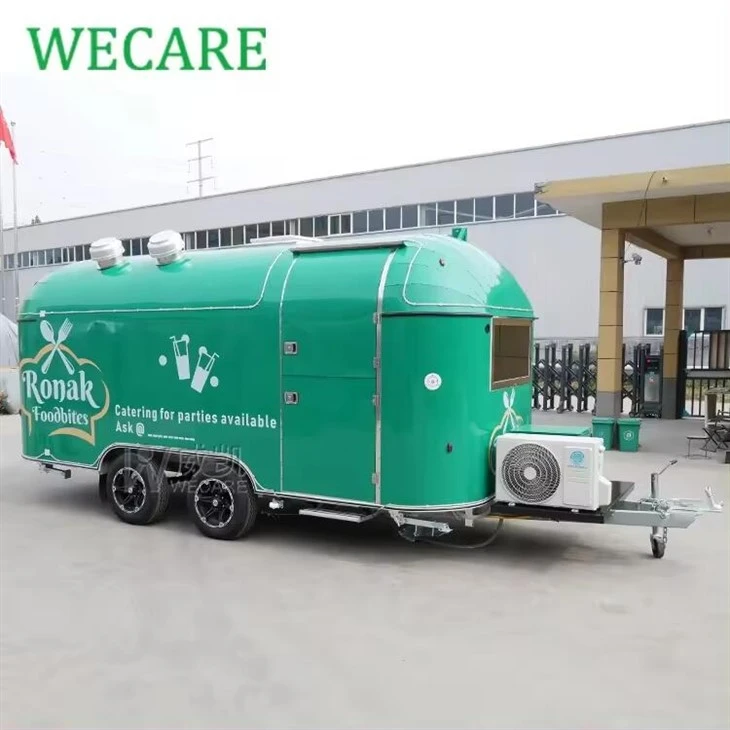
On the other hand, if you're looking for a more high - end option, the Airstream Mobile Kitchen Trailer offers a good balance of quality and functionality. Airstream trailers are known for their durability, which means you won't have to worry about frequent repairs and replacements. In the long run, this can save you a significant amount of money.
2. Efficient Equipment Sourcing
When it comes to outfitting your trailer with kitchen equipment, it's important to shop around. Don't just settle for the first deal you find. Look for used equipment in good condition. There are many online marketplaces and local auctions where you can find gently used ovens, grills, and refrigerators at a fraction of the cost of new ones.
Another tip is to buy in bulk. If you need items like utensils, disposable plates, and napkins, purchasing them in large quantities can get you better discounts. You can also consider leasing some of the more expensive equipment, like commercial mixers or fryers. Leasing allows you to use the equipment without having to make a large upfront investment.
3. Menu Optimization
Your menu can have a big impact on your costs. Analyze your menu regularly to see which items are the most profitable. Focus on using ingredients that are in season and locally sourced. Seasonal ingredients are not only fresher but also usually cheaper.

For example, if it's strawberry season, you can create strawberry - themed desserts or drinks. This not only takes advantage of the lower cost of strawberries but also gives your customers a taste of the season.
Also, try to keep your menu simple. The more complex your menu, the more ingredients you'll need to stock, which can lead to higher inventory costs. Stick to a few signature dishes that you can make efficiently and profitably.
4. Energy - Saving Practices
Running a catering food trailer requires a lot of energy, especially for things like refrigeration, cooking, and lighting. Implementing energy - saving practices can significantly reduce your utility bills.
Invest in energy - efficient appliances. Look for appliances with the Energy Star label, as they are designed to use less energy without sacrificing performance. For lighting, switch to LED lights. LED lights use up to 80% less energy than traditional incandescent bulbs and last much longer.
You can also manage your refrigeration units more efficiently. Make sure the doors are sealed properly to prevent cold air from escaping. Set the temperature at the optimal level for food safety, but don't over - cool.
5. Strategic Location Planning
The location of your catering food trailer can affect your costs in several ways. Choose locations that have a high footfall but don't charge exorbitant rent. For example, instead of setting up in a prime downtown location with sky - high rental fees, you might consider local events, festivals, or industrial areas where there are a lot of workers.
Some locations may also offer incentives for food vendors, such as reduced parking fees or free advertising. Do your research and find out which locations are the most cost - effective for your business.
6. Staffing Efficiency
Managing your staff effectively is another important cost - saving measure. If your business has slow periods, adjust your staffing levels accordingly. You don't need to have a full staff on hand when there are only a few customers.
Cross - train your staff so that they can perform multiple tasks. For example, your cook can also help with cleaning or taking orders during slow times. This way, you can get more work done with fewer employees, which can save on labor costs.
7. Marketing on a Budget
Marketing is essential for attracting customers to your catering food trailer, but it doesn't have to break the bank. Social media is a powerful and cost - effective marketing tool. Create engaging social media profiles for your business and post regularly about your menu, upcoming locations, and special offers.
You can also collaborate with other local businesses. For example, team up with a nearby coffee shop or bakery. You can offer each other cross - promotions, which can help both businesses reach a wider audience without spending a lot of money on advertising.
8. Maintenance and Repairs
Regular maintenance is key to keeping your catering food trailer in good condition and avoiding costly repairs. Create a maintenance schedule and stick to it. Check your equipment regularly for any signs of wear and tear.
For example, clean your grills and fryers after each use to prevent grease buildup, which can lead to more serious problems down the line. If you notice any small issues, address them immediately. Fixing a small leak in a water line is much cheaper than waiting for it to turn into a major plumbing problem.
9. Inventory Management
Proper inventory management can prevent food waste and reduce costs. Keep track of your inventory levels using a simple spreadsheet or an inventory management app. This will help you know when to reorder ingredients and avoid over - stocking.
When you receive your inventory, use the first - in, first - out (FIFO) method. This means using the oldest ingredients first to prevent them from spoiling. Also, be careful when portioning your food. Consistent portioning ensures that you're not using more ingredients than necessary for each dish.
10. Insurance and Licensing
Don't skimp on insurance and licensing, but shop around to get the best deals. Compare quotes from different insurance providers to find the policy that offers the right coverage at the most affordable price.
For licensing, make sure you understand all the requirements in your area. Some areas may offer discounts or incentives for small businesses. By staying informed and organized, you can avoid any costly fines or penalties.
In conclusion, there are many cost - saving measures you can take when running a catering food trailer business. From smart trailer selection to efficient inventory management, every little bit helps. If you're interested in purchasing a catering food trailer or have any questions about these cost - saving tips, feel free to reach out. I'm here to help you make your mobile food business a success!
References
- General knowledge of the food trailer industry and cost - saving practices.
- Research on energy - efficient appliances and their benefits.
- Studies on the impact of menu optimization on profitability.