

Crafting a brand identity for a coffee kiosk is a nuanced and strategic process that combines creativity, market understanding, and a deep appreciation for the unique qualities of your product. As a coffee kiosk supplier, I've witnessed firsthand how a well - defined brand identity can transform a simple coffee stand into a beloved community fixture. In this blog, I'll share insights and practical steps on how to create a compelling brand identity for your coffee kiosk.
Understanding Your Target Audience
The first step in creating a brand identity is to understand who your target customers are. Coffee kiosks can attract a wide range of people, from busy commuters looking for a quick caffeine fix to students seeking a cozy spot to study. Conduct market research to gather information about your potential customers' demographics, preferences, and behaviors.
For instance, if your kiosk is located near a university, your target audience might be young adults who value affordability, trendy flavors, and a laid - back atmosphere. On the other hand, a kiosk in a business district may cater to professionals who prefer high - quality, traditional coffee and are willing to pay a premium for it. By understanding your audience, you can tailor your brand identity to resonate with them.
Defining Your Brand Values
Brand values are the guiding principles that shape your coffee kiosk's personality and actions. These values should be authentic and reflect what your business stands for. Common brand values for coffee kiosks include quality, sustainability, community, and innovation.
If you're passionate about sourcing coffee beans from fair - trade farms, then sustainability could be a core value of your brand. Communicate this value through your marketing materials, such as signage that highlights your commitment to ethical sourcing. If you want to foster a sense of community, you could host events like coffee tastings or open mic nights at your kiosk.
Creating a Memorable Logo
A logo is the visual centerpiece of your brand identity. It should be simple, unique, and easy to recognize. When designing a logo for your coffee kiosk, consider elements such as color, typography, and imagery.
Colors can evoke different emotions. For example, brown is often associated with coffee and can convey warmth and comfort, while green can represent sustainability. Typography also plays a crucial role. A modern, clean font might be suitable for a contemporary coffee kiosk, while a more rustic font could work well for a traditional, artisanal brand.
The imagery in your logo should be related to coffee. You could use a coffee bean, a cup of coffee, or a steam pattern. However, try to put a unique spin on these common coffee symbols to make your logo stand out. There are many professional graphic designers who can help you create a logo that aligns with your brand values.
Developing a Consistent Visual Style
In addition to your logo, your brand identity should have a consistent visual style across all touchpoints. This includes your kiosk's exterior design, packaging, and marketing materials.
For the kiosk's exterior, choose a color scheme and design elements that match your logo. Use high - quality signage that is visible from a distance. If your brand has a modern and minimalist aesthetic, keep the kiosk's design clean and uncluttered.
When it comes to packaging, invest in well - designed cups, lids, and sleeves. Your packaging should not only protect the coffee but also serve as a marketing tool. Print your logo and brand message on the packaging to increase brand visibility.
Marketing materials such as flyers, social media posts, and business cards should also follow the same visual style. Consistency helps build brand recognition and makes your coffee kiosk more memorable.
Crafting a Unique Brand Voice
Your brand voice is how you communicate with your customers. It should be consistent with your brand values and target audience. For a coffee kiosk, your brand voice could be friendly, approachable, and knowledgeable.
On your social media channels, use a conversational tone when interacting with customers. Answer their questions promptly and engage in friendly banter. If you have a blog on your website, write articles that share interesting coffee facts, brewing tips, or stories about your coffee sourcing.
In your in - person interactions at the kiosk, train your staff to use the same brand voice. A warm welcome and a friendly chat can go a long way in creating a positive customer experience.
Establishing an Online Presence
In today's digital age, having an online presence is essential for any business, including coffee kiosks. Create a website for your kiosk that provides information about your coffee offerings, location, hours of operation, and brand story.
Optimize your website for search engines so that it can be easily found by potential customers. Use relevant keywords such as "coffee kiosk [your location]" in your website content.
Social media platforms are also powerful tools for building your brand identity. Platforms like Instagram, Facebook, and Twitter allow you to share photos of your coffee, behind - the - scenes looks at your kiosk, and customer testimonials. Engage with your followers by responding to comments and messages.
Offering a Unique Customer Experience
A great brand identity is not just about visuals and messaging; it's also about the customer experience. At your coffee kiosk, focus on providing excellent customer service. Train your staff to be friendly, efficient, and knowledgeable about your coffee offerings.
Offer a unique coffee menu that sets you apart from competitors. You could experiment with different brewing methods, such as pour - over or cold brew, or create signature coffee blends. Provide samples of new coffee flavors to encourage customers to try something new.
Another way to enhance the customer experience is through the ambiance of your kiosk. Play relaxing music, create a comfortable seating area if space allows, and decorate the kiosk in a way that reflects your brand personality.
Partnering with Other Brands
Partnering with other complementary brands can help expand your reach and strengthen your brand identity. For example, you could partner with a local bakery to offer freshly baked pastries alongside your coffee. This not only provides more value to your customers but also allows you to tap into the bakery's customer base.

You could also collaborate with coffee - related brands, such as coffee bean roasters or coffee equipment manufacturers. These partnerships can give you access to high - quality products and resources, and also enhance your credibility in the coffee industry.
Measuring and Evolving Your Brand Identity
Once you've established your brand identity, it's important to measure its effectiveness. Use metrics such as customer feedback, social media engagement, and sales data to evaluate how well your brand is resonating with your target audience.
If you find that customers are not responding to a particular aspect of your brand identity, such as a new coffee flavor or a marketing campaign, be willing to make adjustments. The coffee industry is constantly evolving, and your brand identity should evolve with it.
Conclusion
Creating a brand identity for a coffee kiosk is a multi - faceted process that requires careful planning and execution. By understanding your target audience, defining your brand values, and creating a consistent visual and verbal identity, you can build a brand that stands out in a crowded market.
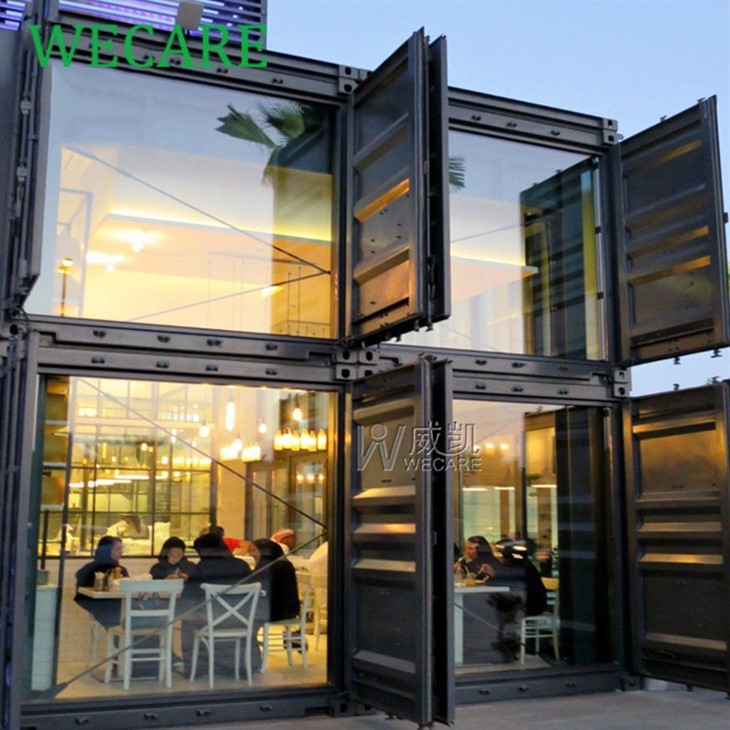
If you're in the process of setting up a coffee kiosk or looking to revamp your existing brand identity, I'm here to help. As a coffee kiosk supplier, I offer a wide range of high - quality kiosks, including the Container Shop Kiosk. Our kiosks are customizable to fit your brand's unique style and requirements. Contact us to start a conversation about how we can work together to bring your coffee kiosk vision to life.
References
- Keller, K. L. (2008). Strategic Brand Management: Building, Measuring, and Managing Brand Equity. Pearson Prentice Hall.
- Aaker, D. A. (1996). Building Strong Brands. Free Press.
- Kotler, P., & Armstrong, G. (2010). Principles of Marketing. Pearson Education.