

In the dynamic and ever - evolving world of the hospitality industry, mobile bars have emerged as a popular and innovative solution for various events and venues. As a mobile bar supplier, I understand the paramount importance of safety during the operation of these mobile units. Ensuring safety not only protects the customers and staff but also upholds the reputation of the business. In this blog, I will delve into the key aspects that mobile bars need to consider to guarantee a safe operating environment.
1. Structural Integrity and Mobility
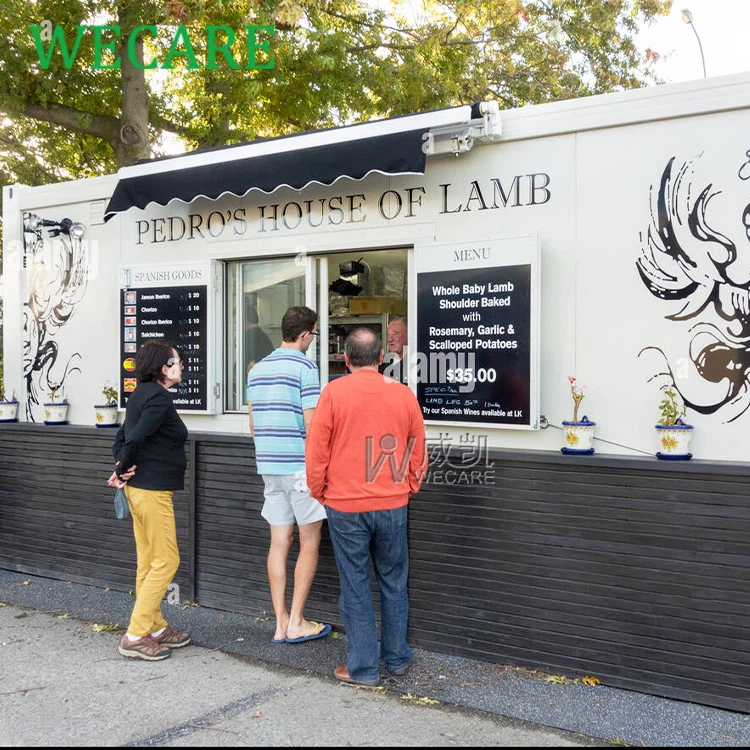
The first line of defense in ensuring safety for a mobile bar is its structural integrity. Mobile bars come in various forms, such as Container Bar Restaurant, Container Coffee Shop Cafe, and Outdoor Container Bar. These units are often built on a container - based structure, which must be designed and constructed to withstand the rigors of transportation and regular use.
When it comes to transportation, the mobile bar should be properly secured to the vehicle. This involves using high - quality tie - down straps and ensuring that the weight is evenly distributed. Uneven weight distribution can lead to instability during transit, increasing the risk of accidents. Before each journey, a thorough inspection of the tie - down mechanisms and the overall structure of the mobile bar should be conducted.
Once at the event location, the mobile bar needs to be set up on a stable surface. Soft or uneven ground can cause the bar to tilt or shift, posing a danger to both the staff and customers. Leveling devices can be used to ensure that the bar is perfectly horizontal. Additionally, the foundation of the bar, especially for container - based models, should be checked for any signs of damage or wear that could compromise its stability.
2. Electrical Safety
Electrical systems are an integral part of any mobile bar, powering everything from lighting to refrigeration units. Ensuring electrical safety is crucial to prevent fires, electric shocks, and other hazards.
All electrical components in the mobile bar should be installed by a qualified electrician. This includes wiring, outlets, and switches. The wiring should be properly insulated and protected from damage. Regular inspections of the electrical system are necessary to check for frayed wires, loose connections, or any signs of overheating.
Overloading electrical circuits is a common problem in mobile bars, especially when multiple appliances are in use simultaneously. To prevent this, the bar should be equipped with circuit breakers or fuses that will automatically cut off the power if the current exceeds a safe level. Additionally, power strips with built - in surge protectors can be used to safeguard sensitive electronic equipment.
3. Fire Safety
Fire is a significant risk in any bar environment, and mobile bars are no exception. To mitigate this risk, several fire safety measures should be in place.
Firstly, the mobile bar should be equipped with appropriate fire extinguishers. The type of fire extinguisher required depends on the potential fire hazards in the bar. For example, Class A extinguishers are suitable for ordinary combustibles like paper and wood, while Class B extinguishers are needed for flammable liquids such as alcohol. Staff should be trained on how to use the fire extinguishers effectively.
In addition to fire extinguishers, smoke detectors and fire alarms should be installed in the mobile bar. These devices can provide early warning in case of a fire, allowing for a prompt evacuation. The smoke detectors should be regularly tested to ensure they are in working order.
The interior of the mobile bar should be constructed using fire - resistant materials. This includes the walls, ceiling, and flooring. Avoid using highly flammable materials such as certain types of plastics or synthetic fabrics.
4. Food and Beverage Safety
For mobile bars that serve food and beverages, maintaining high standards of food safety is essential to prevent foodborne illnesses.
All food preparation areas in the mobile bar should be kept clean and sanitized. Surfaces should be wiped down regularly with food - safe disinfectants. Utensils, glasses, and plates should be washed thoroughly in hot, soapy water and then sanitized.
Refrigeration units are crucial for storing perishable items such as dairy products, meats, and fresh produce. The temperature of the refrigerators should be monitored regularly to ensure that it remains within the safe range. Any food that shows signs of spoilage should be discarded immediately.
Staff handling food and beverages should follow proper hygiene practices. This includes washing their hands frequently, wearing hair restraints, and using gloves when necessary. Food handlers should also be trained on proper food handling techniques, such as avoiding cross - contamination between raw and cooked foods.
5. Staff Training and Safety Protocols
Well - trained staff are the front line in ensuring the safety of a mobile bar. All staff members should receive comprehensive training on safety procedures.
This training should cover topics such as emergency evacuation procedures, first aid, and how to handle various types of emergencies. In the event of an emergency, staff should know exactly what to do, including how to guide customers to safety and how to contact emergency services.
Regular safety drills should be conducted to ensure that staff are familiar with the emergency procedures. These drills can simulate various scenarios, such as fires, earthquakes, or medical emergencies. By practicing these procedures regularly, staff will be better prepared to respond quickly and effectively in real - life situations.
In addition to emergency training, staff should also be trained on the proper operation of the equipment in the mobile bar. This includes how to use the electrical appliances, the refrigeration units, and any other machinery safely.
6. Alcohol Service Safety
Serving alcohol in a mobile bar comes with its own set of safety considerations. Responsible alcohol service is essential to prevent over - consumption and the associated risks, such as drunk driving and public disorder.
Staff should be trained on how to identify signs of intoxication. This includes slurred speech, unsteady gait, and impaired judgment. If a customer shows signs of being intoxicated, the staff should refuse to serve them any more alcohol.
ID checks should be conducted for all customers who appear to be under the legal drinking age. This helps to prevent underage drinking, which is not only illegal but also poses a significant health risk.
In addition to these measures, the mobile bar should have a policy in place for dealing with unruly or aggressive customers. Staff should know how to de - escalate situations and, if necessary, contact security or the police.
7. Hygiene and Sanitation
Maintaining high levels of hygiene and sanitation in the mobile bar is not only important for food safety but also for the overall health and well - being of customers and staff.
The bar area should be cleaned regularly throughout the event. This includes wiping down the countertops, cleaning the sinks, and emptying the trash bins. The restrooms, if available in the mobile bar, should be kept clean and stocked with essential supplies such as toilet paper, soap, and hand sanitizer.

Staff should also practice good personal hygiene. This includes wearing clean uniforms, washing their hands frequently, and avoiding coughing or sneezing over the food or beverages.
Conclusion
As a mobile bar supplier, I am committed to providing safe and reliable mobile bar solutions. By focusing on structural integrity, electrical safety, fire safety, food and beverage safety, staff training, alcohol service safety, and hygiene and sanitation, mobile bars can ensure a safe operating environment for everyone involved.
If you are interested in purchasing a mobile bar for your business or event, I encourage you to contact me for more information. We can discuss your specific needs and requirements and find the perfect mobile bar solution for you. Whether you are looking for a Container Bar Restaurant, Container Coffee Shop Cafe, or Outdoor Container Bar, we have a wide range of options to choose from.
References
- National Fire Protection Association (NFPA). Electrical Safety Standards for Mobile Units.
- Food and Drug Administration (FDA). Food Safety Guidelines for Mobile Food Vendors.
- Occupational Safety and Health Administration (OSHA). General Safety Regulations for Mobile Workplaces.