

As a seasoned stage trailer supplier, I often get asked whether our stage trailers can withstand and be used in bad weather conditions. This is a crucial question for event planners, performers, and anyone considering renting or purchasing a stage trailer, as weather can be unpredictable and can significantly impact the success of an event. In this blog post, I'll delve into the capabilities of stage trailers in various adverse weather scenarios, highlighting the features that enable them to perform well.
Understanding the Design and Construction of Stage Trailers
Stage trailers are engineered with durability and versatility in mind. They typically feature a robust frame made from high - strength steel, which provides excellent structural integrity. The exterior panels are often constructed from materials like aluminum or fiberglass, which are not only lightweight but also resistant to corrosion. This makes them suitable for use in different weather conditions, including rain and high humidity.
The roofs of our stage trailers are designed to be watertight. They are sloped to ensure that water drains off quickly, preventing pooling that could lead to leaks or structural damage. Additionally, the seals around doors, windows, and hatches are made from high - quality rubber or silicone, which create a tight barrier against water intrusion.
Using a Stage Trailer in Rainy Weather
Rain is one of the most common types of bad weather that event organizers have to deal with. Our stage trailers are equipped to handle rain effectively. As mentioned earlier, the watertight design ensures that the interior remains dry, protecting equipment, performers, and any electronic devices from water damage.
However, it's important to take some precautions. Before the rain starts, make sure all doors and hatches are properly closed and sealed. If possible, position the trailer so that the wind is not blowing rain directly against any openings. For added protection, you can set up awnings or tarps around the entrance areas. This not only keeps the entrance dry but also provides a covered area for people to wait without getting wet.
During a heavy downpour, it's also crucial to monitor the trailer for any signs of leaks. While our trailers are well - built, extreme weather conditions can sometimes test even the best seals. If you notice any water seeping in, it's advisable to address the issue immediately, which may involve adjusting the seals or using temporary waterproofing solutions.
Stage Trailers in High - Wind Conditions
High winds can pose a significant challenge to any outdoor structure, including stage trailers. Our stage trailers are designed with a low center of gravity and are often equipped with stabilizing jacks. These jacks can be extended to provide additional support and stability, especially in windy conditions.
Before setting up the stage trailer in an area prone to high winds, it's important to assess the wind direction and speed. Position the trailer so that it is facing the wind head - on or at a slight angle, which reduces the surface area exposed to the wind. You can also use guy wires to secure the trailer further. These wires are attached to the trailer and anchored to the ground, providing extra lateral support.
However, there are limits to what a stage trailer can withstand. In extremely high winds, such as those associated with hurricanes or tornadoes, it's best to take the trailer to a safe location. No matter how well - built the trailer is, it's not designed to withstand the full force of these catastrophic weather events.
Performance in Snow and Cold Weather
In cold climates, snow and ice can accumulate on the stage trailer, which can add extra weight and potentially cause damage. Our trailers are designed to handle a certain amount of snow load. The durable frame can support the weight of snow, but it's important to remove excess snow regularly. Shoveling the snow off the roof and any other flat surfaces on the trailer can prevent overloading.
Cold weather can also affect the seals and mechanical components of the trailer. The rubber seals may become brittle in low temperatures, which could reduce their effectiveness. To mitigate this, you can use a rubber conditioner to keep the seals flexible. Additionally, make sure that all moving parts, such as doors and hatches, are well - lubricated to prevent them from freezing.
Other Applications of Trailers in Different Contexts
Apart from stage trailers, we also offer a variety of other trailers for different purposes. For example, the Horse Trailer Coffee Cart is a unique concept that combines the charm of a horse trailer with the functionality of a coffee cart. It's a great option for outdoor events, farmers' markets, or even as a mobile coffee shop.
The Coffee Shop Horse Trailer takes this idea further, providing a more spacious and fully - equipped coffee shop on wheels. It's perfect for those who want to offer a high - end coffee experience in a unique and eye - catching setting.
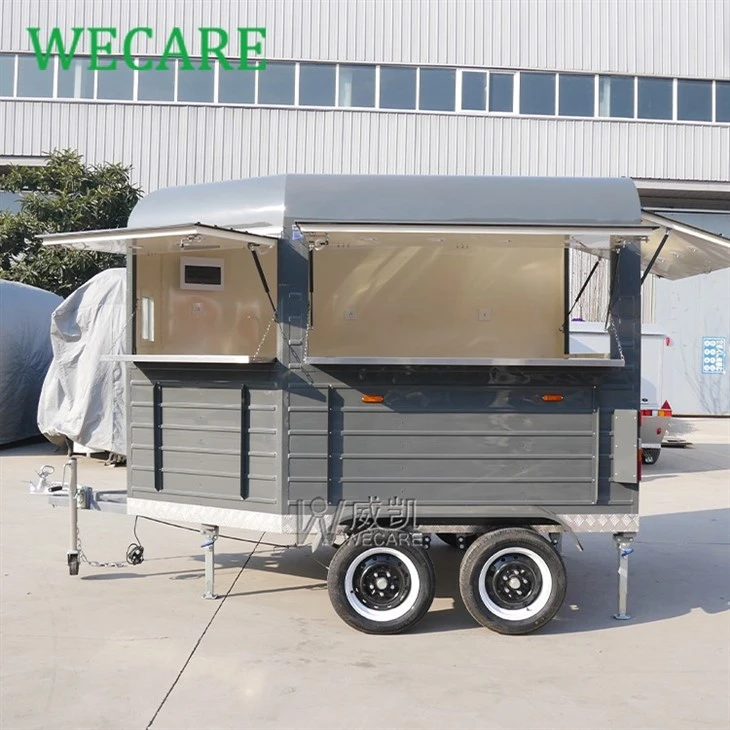

We also have the Mobile Dog Wash Trailer, which is a convenient solution for pet owners. This trailer is designed to provide a professional dog - washing service on the go, making it easy for pet owners to keep their furry friends clean and healthy.
Conclusion
In conclusion, stage trailers can be used in a variety of bad weather conditions, thanks to their robust design and construction features. However, it's important to take appropriate precautions and follow best practices to ensure their safe and effective use. Whether it's rain, wind, snow, or cold, our stage trailers are built to perform.
If you're interested in learning more about our stage trailers or any of our other trailer products, we'd love to hear from you. Our team of experts is ready to assist you with all your trailer needs, from choosing the right model to providing after - sales support. Reach out to us to start a conversation about your trailer requirements and take the first step towards a successful event or business.
References
- Trailer Industry Standards and Guidelines.
- Manufacturer's Manuals for Stage Trailers.
- Research on Outdoor Structure Performance in Adverse Weather Conditions.